Food & Culinary Trends
The way we eat, cook, and think about food is undergoing a profound transformation. What was once driven primarily by taste and tradition now intertwines with scientific discovery, environmental consciousness, and technological innovation. From understanding how specific foods influence our gut bacteria to embracing centuries-old fermentation techniques with modern health insights, today’s culinary landscape reflects a fascinating convergence of ancient wisdom and cutting-edge research.
This evolution isn’t just about fleeting fads—it represents fundamental shifts in how we source ingredients, prepare meals, and understand nutrition’s role in overall wellness. Whether you’re curious about transitioning to plant-based eating, exploring the connection between your digestive system and mental clarity, or navigating the new world of delivery-first dining, these interconnected trends are reshaping kitchens and dining tables everywhere. Let’s explore the key movements defining contemporary food culture and what they mean for your everyday eating experience.
Plant-Based Eating: Beyond the Trend
The shift toward plant-based nutrition has moved far beyond simple vegetarianism, evolving into a sophisticated understanding of how to build complete, satisfying meals from diverse plant sources. This movement addresses not just ethical and environmental concerns, but also emerging research on longevity, disease prevention, and metabolic health.
Building Complete Nutrition Without Animal Products
One of the most common concerns when transitioning to plant-based eating centers on protein completeness—ensuring you consume all nine essential amino acids your body cannot produce. While animal products naturally contain complete proteins, plant-based eaters can achieve the same by combining complementary sources throughout the day. Think of it like assembling a puzzle: quinoa, soy, and hemp seeds offer complete profiles on their own, while pairing legumes with grains (like rice and beans) creates completeness through combination.
Successful plant-based nutrition also requires expanding your vegetable repertoire beyond familiar staples. Learning to cook with diverse vegetables—from bitter greens like collards to umami-rich mushrooms and starchy root vegetables—ensures nutritional variety and prevents meal fatigue. The debate between fresh and frozen produce often surprises newcomers: flash-frozen vegetables frequently retain more nutrients than fresh produce that’s traveled long distances, making them both economical and nutritionally sound.
Avoiding Ultra-Processed Pitfalls
As plant-based eating gains popularity, food manufacturers have flooded markets with convenient alternatives. However, many of these products contain concerning levels of sodium, preservatives, and isolated proteins that bear little resemblance to whole foods. The key distinction lies in ingredient lists: a veggie burger made from recognizable beans, grains, and spices differs dramatically from one built on protein isolates, methylcellulose, and artificial flavoring. Meal prepping with whole ingredients—batch-cooking grains, roasting vegetables, preparing bean-based dips—helps you maintain variety while avoiding ultra-processed convenience traps.
The Gut-Health Revolution in Modern Nutrition
Recent scientific breakthroughs have revealed that the trillions of microorganisms living in your digestive system exert far more influence over your health than previously imagined. This understanding has shifted the conversation from simple digestion to recognizing your gut as a complex ecosystem that affects everything from immunity to mood regulation.
Understanding Your Microbiome’s Influence
The gut-brain axis—a bidirectional communication highway between your digestive system and brain—explains phenomena many have experienced intuitively: the “gut feeling” of anxiety, the comfort of certain foods during stress, or digestive upset during emotional turmoil. Your gut bacteria produce neurotransmitters like serotonin and dopamine, meaning the diversity and health of your microbiome directly impacts mental clarity, mood stability, and even cognitive function.
Feeding beneficial bacteria requires understanding their preferred fuel: prebiotic fiber from sources like garlic, onions, asparagus, and slightly underripe bananas, plus fermented foods rich in probiotics. Conversely, excessive sugar consumption can promote harmful bacterial overgrowth, creating imbalances that manifest as bloating, irregular digestion, or even mood disturbances. Think of your microbiome as a garden—it flourishes with diverse nutrients and withers under monoculture feeding patterns.
Restoring Balance Through Food
Certain life events, particularly antibiotic treatments, can devastate gut bacterial populations. Restoration requires patience and strategic food choices: incorporating naturally fermented foods like sauerkraut, kimchi, and kefir; consuming diverse fiber sources; and sometimes identifying food intolerances that may have developed during microbiome disruption. Many people discover that foods they previously tolerated now trigger symptoms, often indicating underlying gut permeability or bacterial imbalance rather than true allergies.
Food as Medicine: Functional Eating Approaches
The concept of using food therapeutically isn’t new, but modern research is validating traditional practices while revealing precise mechanisms behind food’s healing properties. This approach views meals not just as fuel, but as information that influences cellular function and inflammatory responses.
Anti-inflammatory eating patterns have gained attention for managing chronic pain and autoimmune conditions. These approaches emphasize balancing omega-3 and omega-6 fatty acids—modern diets typically contain excessive omega-6 from vegetable oils and insufficient omega-3 from fish, flaxseeds, and walnuts, creating a pro-inflammatory internal environment. Some compounds, like curcumin in turmeric, demonstrate anti-inflammatory effects comparable to over-the-counter medications when consumed regularly in bioavailable forms (typically with black pepper and healthy fats).
Functional eating also considers often-overlooked factors like meal timing and hydration. The glycemic index, while useful, can mislead when used in isolation—combining foods, meal sequencing, and eating timing all influence blood sugar responses. Similarly, even mild dehydration measurably impairs cognitive function, affecting concentration, memory, and decision-making before you even feel thirsty.
The Science and Art of Food Presentation
We eat first with our eyes, and understanding this psychology transforms both home cooking and professional dining experiences. The visual appeal of food isn’t superficial—it triggers physiological responses that prepare your body for digestion and influences perceived taste intensity and satisfaction.
Color theory in plating creates visual harmony that translates to appetite stimulation: contrasting colors (deep purple eggplant against bright orange carrots) appear more appetizing than monochromatic presentations. Professional chefs leverage texture contrasts—creamy against crispy, smooth against chunky—to create dishes that engage multiple sensory pathways simultaneously.
Even seemingly minor details matter: studies show that heavier cutlery correlates with perceptions of higher food quality, while plate shape and size influence portion satisfaction. The carefully sequenced tasting menu exploits these principles, building flavor intensity progressively and alternating rich and refreshing courses to maintain palate engagement. Understanding the gap between food photography and reality helps set realistic expectations—those impossibly perfect images often involve inedible styling tricks that bear little resemblance to what arrives at your table.
Delivery-First Dining and Ghost Kitchen Economics
The rapid expansion of food delivery apps has fundamentally restructured restaurant economics, giving rise to ghost kitchens—commercial cooking facilities producing food exclusively for delivery, with no dine-in space. This model reduces overhead costs but introduces unique challenges around quality control and brand transparency.
For consumers, navigating this landscape requires understanding several realities:
- Hidden fees from delivery platforms can add substantial costs beyond menu prices and standard delivery charges
- Virtual brand confusion occurs when single kitchens operate multiple online-only restaurant identities, obscuring true food origins
- Menu engineering for travel prioritizes foods that maintain quality during transit, sometimes limiting creative options
- Delivery zone optimization by restaurants may exclude areas despite appearing available on apps
Quality-focused delivery operations invest in specialized packaging, train staff specifically for take-out preparation, and design menus around foods that actually improve or maintain stability during transport rather than attempting to deliver inherently fragile dishes.
Ancient Preservation Techniques for Modern Kitchens
Fermentation, curing, and canning—once essential survival skills—are experiencing renewed interest both for unique flavors and surprising health benefits. These time-tested methods transform ingredients while potentially enhancing nutritional value and digestibility.
Lacto-fermentation, the process behind sauerkraut and kimchi, relies on naturally present lactic acid bacteria converting sugars into preservative acids. This creates probiotic-rich foods while developing complex flavors impossible to achieve through other cooking methods. The process requires patience—rushing fermentation stages or incorrect temperature control can yield disappointing or unsafe results.
Home preservation demands respect for safety protocols, particularly with canning. Proper equipment, tested recipes, and understanding the science behind botulism prevention aren’t optional—they’re essential. Low-acid foods require pressure canning, while high-acid foods can use water-bath methods. The patience required for proper curing (whether vegetables, meats, or fish) tests modern cooks accustomed to instant results, but the flavor complexity and shelf stability reward that investment.
Farm-to-Table and Sustainable Food Systems
Direct relationships between consumers and producers through models like Community Supported Agriculture (CSA) challenge conventional supermarket dependency. CSA members purchase “shares” of farm harvests, receiving regular produce boxes and directly supporting small-scale farmers while accepting seasonal constraints that reconnect eating with agricultural realities.
This approach requires adaptability: you receive what’s actually growing rather than selecting from year-round global inventories. The learning curve involves discovering preservation techniques for glut periods, expanding your cooking repertoire to handle unfamiliar vegetables, and planning meals around availability rather than cravings. The tradeoffs include superior freshness compared to supermarket produce, reduced food miles and environmental impact, and financial support for farming practices you can directly observe and verify.
Culinary Fusion and Cross-Cultural Innovation
Modern food culture increasingly blends traditions, techniques, and flavor profiles from different culinary heritages. When done thoughtfully, this creates exciting innovations; when approached carelessly, it risks cultural appropriation or incoherent flavor combinations.
Successful fusion relies on understanding compatible flavor compounds—ingredients from different cuisines that share molecular structures create surprisingly harmonious combinations. Professional chefs use texture mapping and spice blending ratios to balance familiar and novel elements, ensuring dishes remain grounded rather than chaotic. The emerging “chaos cooking” trend deliberately ignores traditional boundaries, though the most successful practitioners deeply understand the rules they’re breaking. Respecting culinary origins means acknowledging inspiration sources and understanding the cultural context behind techniques and dishes you’re adapting.
These interconnected food trends reflect broader shifts toward intentionality in eating—making conscious choices about nutrition, sustainability, cultural appreciation, and personal health. Whether you’re drawn to gut-health optimization, exploring plant-based eating, or understanding the economics reshaping restaurant industries, each area offers opportunities to deepen your relationship with food beyond simple consumption. The most sustainable approach involves curiosity without perfectionism, gradually incorporating practices that align with your values, health needs, and practical realities.
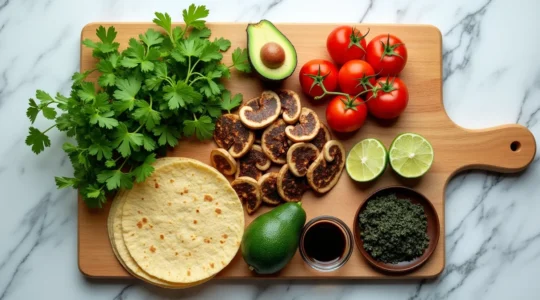
How to Combine Mexican and Japanese Flavors Without Creating a Mess?
The frustrating “mess” from your fusion experiments comes from treating cooking like mixing, not architecture. Success in combining Mexican and Japanese cuisines isn’t about random creativity; it’s about understanding the shared scientific foundations (like umami), respecting the integrity of each…
Read more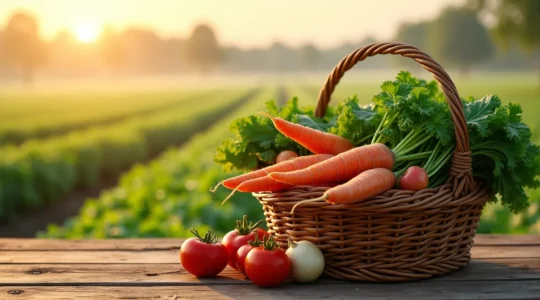
Why Does Local CSA Produce Cost More Upfront But Less Over Time?
A Community Supported Agriculture (CSA) share is best understood not as a grocery expense, but as a direct micro-investment in a food-producing asset that hedges against retail price volatility. The upfront payment provides critical, stable capital to the farmer, eliminating…
Read more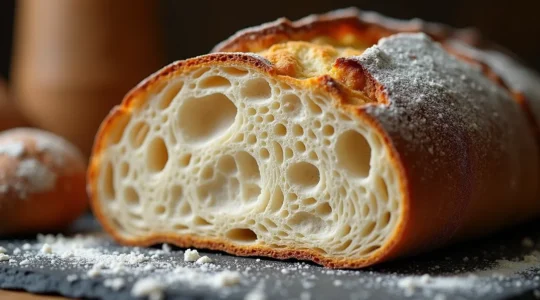
Why Sourdough Bread Is Digestible for People Who Can’t Eat Yeast Bread?
The digestive discomfort from modern bread often isn’t just about gluten; it’s the result of a sterile, ultra-fast baking process that leaves inflammatory compounds intact. Sourdough’s secret is a living microbial ecosystem that “pre-digests” the flour, breaking down complex carbohydrates…
Read more
Why Are Your Favorite Restaurants Operating Out of Industrial Warehouses?
Ghost kitchens are far more than just restaurants without a dining room; they are a complex, high-pressure system that re-engineers food, finance, and branding. Food quality for delivery depends on “operational engineering,” from specialized coatings on fries to recipes designed…
Read more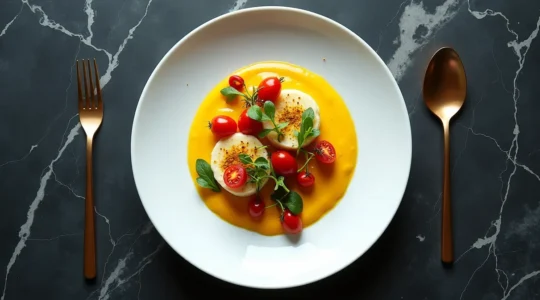
Why Does Food Taste Better When Plated on Round White Dishes?
The belief that ‘we eat with our eyes’ is only half the story; in reality, we taste with our entire brain, which is easily tricked by powerful sensory illusions. The color of your plate, the weight of your fork, and…
Read more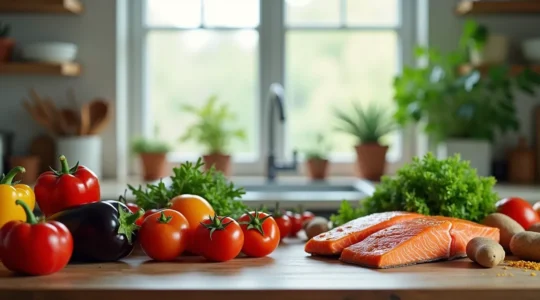
Could Eliminating Nightshades Relieve Your Joint Pain? A System-Based Approach
Lasting joint pain relief isn’t about blaming one food group like nightshades; it’s about systematically recalibrating your body’s entire inflammatory ecosystem. Chronic inflammation is often fueled by hidden factors, including an imbalanced Omega-6 to Omega-3 ratio and poor sleep hygiene….
Read more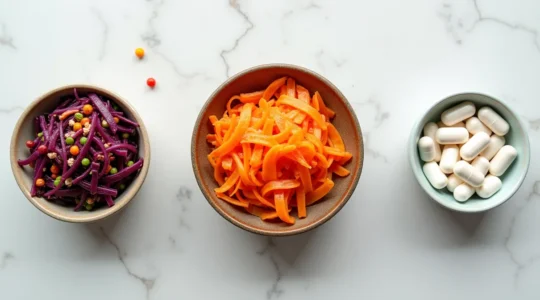
Why Are Fermented Foods More Effective Than Probiotic Pills?
Reaching for a probiotic pill to fix your gut may seem logical, but in my clinical experience, it often overlooks the true source of healing. Fermented foods provide a complete ‘synbiotic matrix’—a living ecosystem of diverse bacteria, their fuel (prebiotics),…
Read more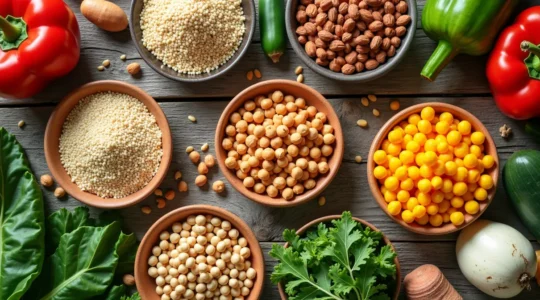
How to Switch to a Plant-Based Diet: A Dietitian’s Guide to Thriving Without Deficiencies
In summary: Focus on nutrient-dense whole foods over ultra-processed meat alternatives to avoid hidden sodium and additives. Master the nutritional mechanics of plants by pairing foods correctly to maximize protein quality and vitamin absorption. Prioritize gut health with fermented foods…
Read more